
Essays about Warsaw homes, neighbourhoods and everyday life, written from inside the city rather than from the tourist trail. Every paper begins behind a real front door and ends with a new way of seeing Warsaw.
THE WARSAW PAPERS · NO. 1
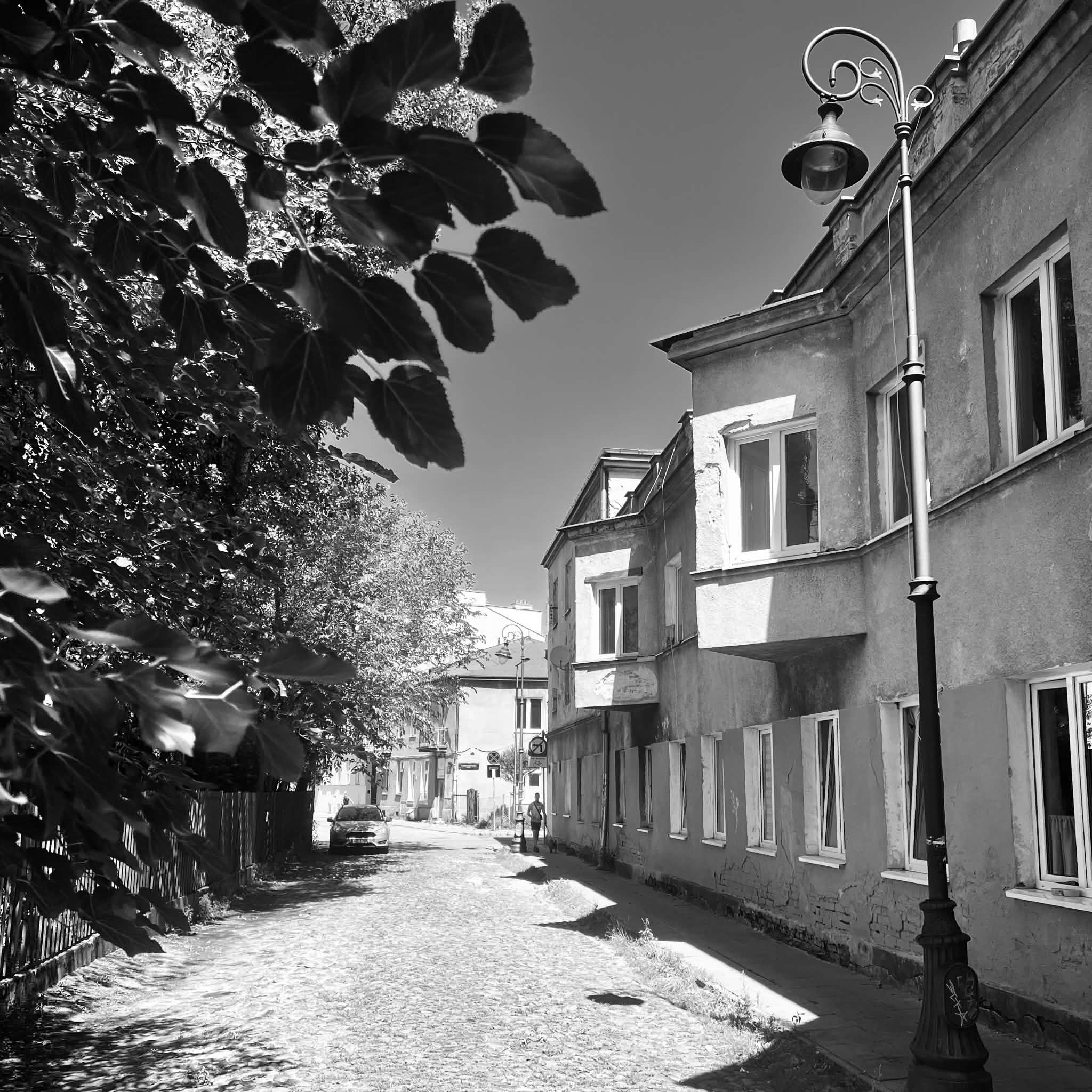
Why Warsaw Apartments Feel Different
Why do Warsaw apartments feel so different from those in Paris, Berlin or Prague? The answer lies in war, reconstruction, changing city boundaries and the remarkable ability of ordinary homes to preserve the city’s past. This paper explores how history still shapes everyday life behind Warsaw’s front doors.
THE WARSAW PAPERS · NO. 2
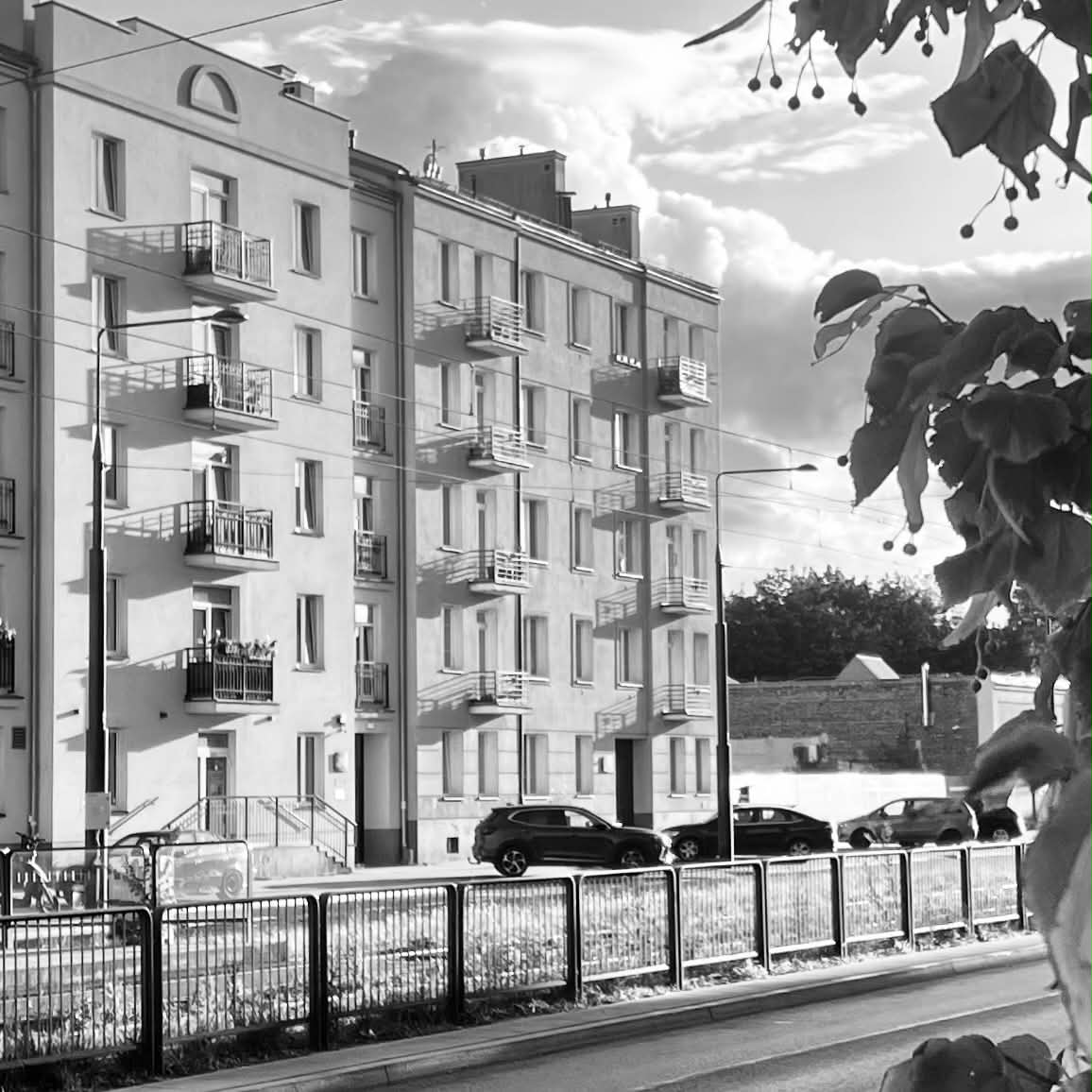
Inside a Pre-War Warsaw Tenement
Step inside a family home in Kamionek and discover a part of Warsaw that quietly survived the twentieth century. From the Perun factory and Sinfonia Varsovia to courtyards, staircases and the humble trzepak, this paper tells the story of a neighbourhood through the people who still call it home.
THE WARSAW PAPERS · NO. 3
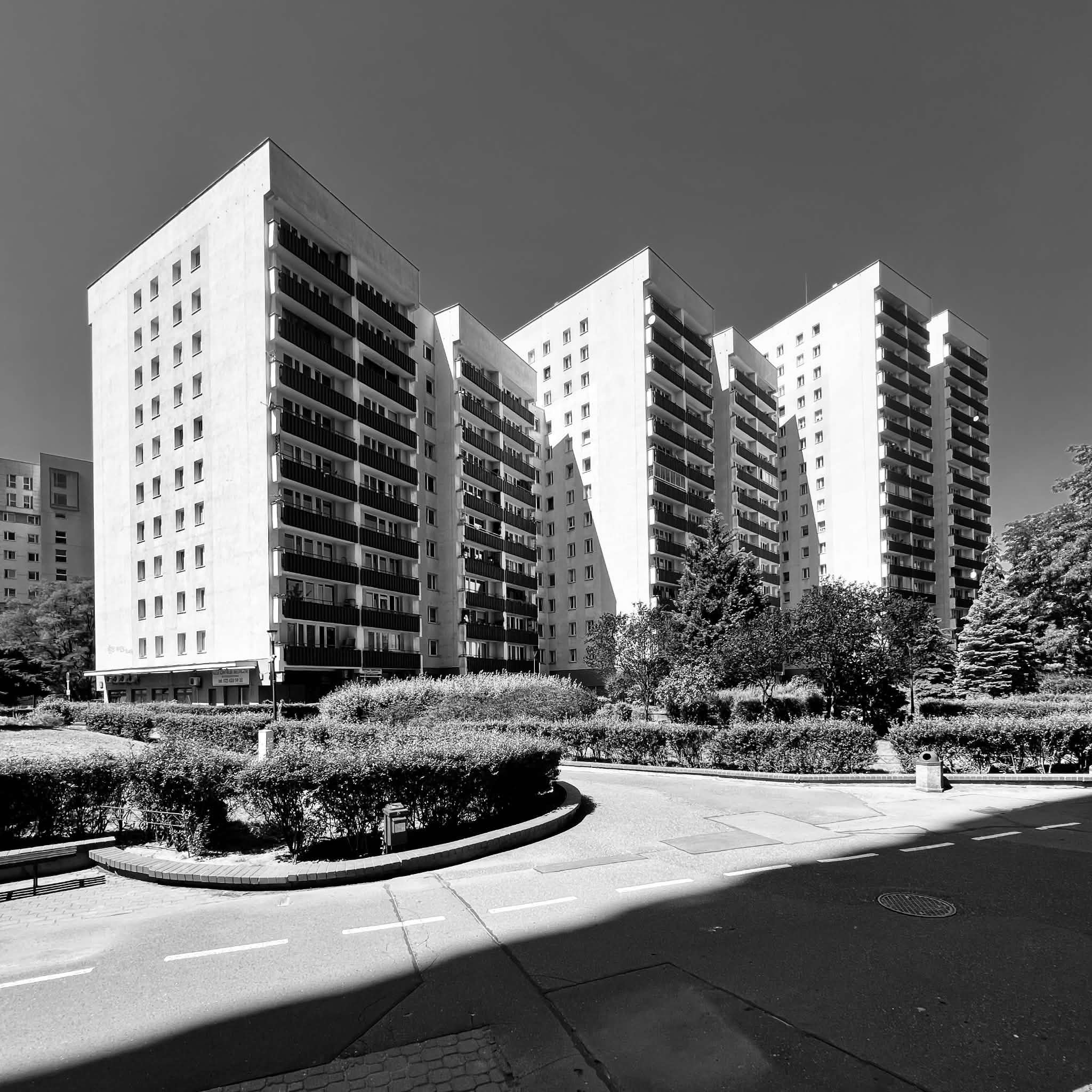
Life in a Communist-Era Apartment Block
What was everyday life like inside one of Warsaw’s great housing estates? Visit a fifteenth-floor apartment in Grochów and explore a different chapter of the city’s story, where late-socialist architecture, sweeping views and ordinary life reveal a side of Warsaw most visitors never see.
THE WARSAW PAPERS · NO. 4
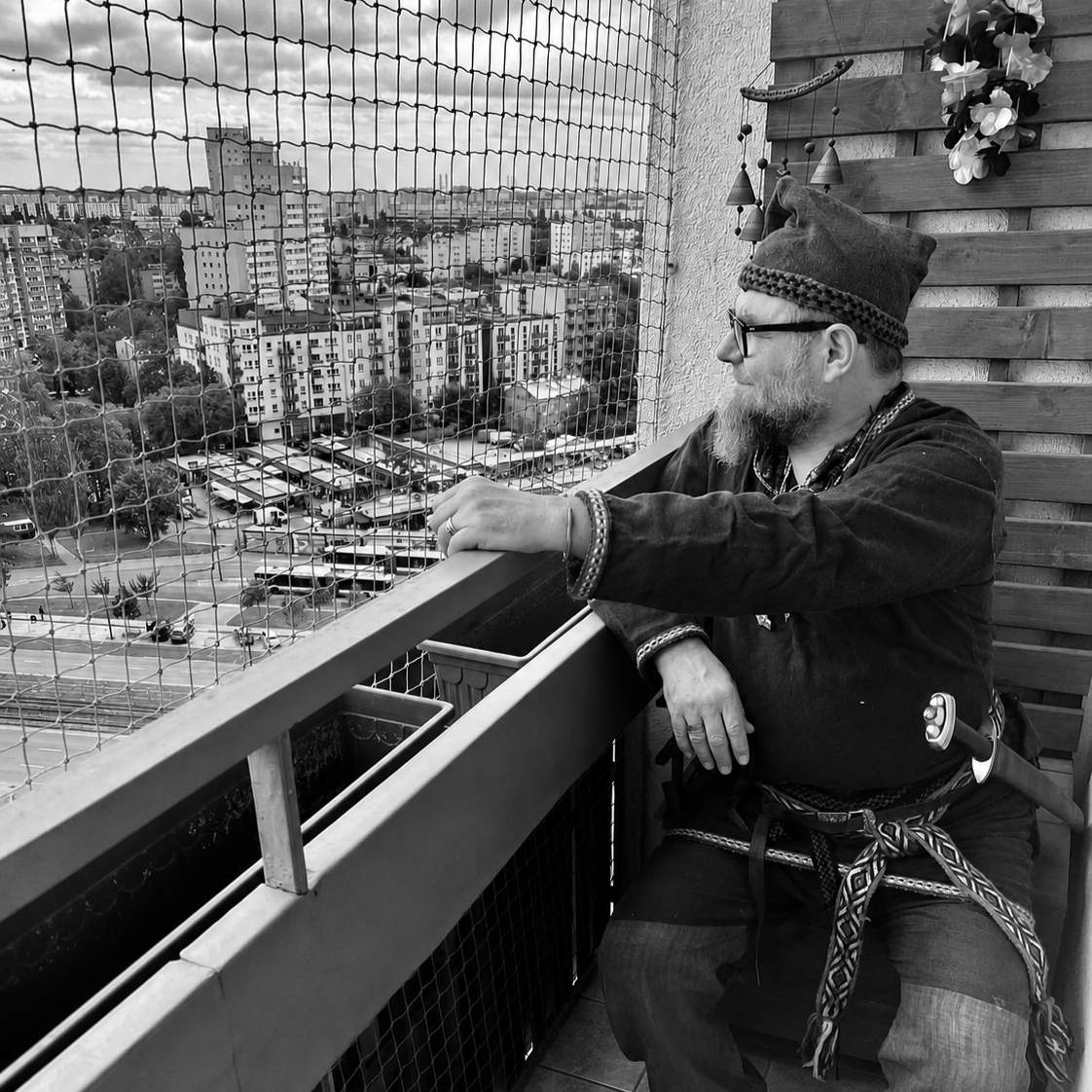
Want to See the Real Warsaw? Stop Looking for Hidden Gems
Most advice about experiencing Warsaw like a local leads to another list of places to visit. But everyday Warsaw is not a hidden gem. It is in ordinary neighbourhoods, apartment blocks, pre-war tenements and, most of all, behind the front doors where people actually live.
THE WARSAW PAPERS · NO. 5
How to See Warsaw Like a Local
Everyone wants to see Warsaw like a local. The trick is to stop looking quite so hard. Trams, milk bars, ordinary neighbourhoods and real homes may tell you more about the city than another list of hidden gems.
About The Warsaw Papers
Warsaw is a city that reveals itself slowly. Beyond its landmarks and museums are thousands of homes where everyday life has continued through war, reconstruction, political change and ordinary family routines. The Warsaw Papers were created to explore that quieter side of the city.
Every essay begins with a real place: a pre-war apartment, a communist-era housing block or another ordinary Warsaw home. From there, the story widens to include the neighbourhood, its history and the people who have shaped it over generations.
Rather than telling visitors where to go, these papers explain why Warsaw feels the way it does today. They are written for curious travellers, architecture enthusiasts, family historians and anyone who wants to understand the city beyond its famous landmarks.
New papers will be added over time, each exploring another home, another neighbourhood and another chapter of everyday Warsaw life.