
Two Warsaw Homes. Two Eras. One Living City.
GROCHÓW · 1985
Grochów: Warsaw from the 15th floor
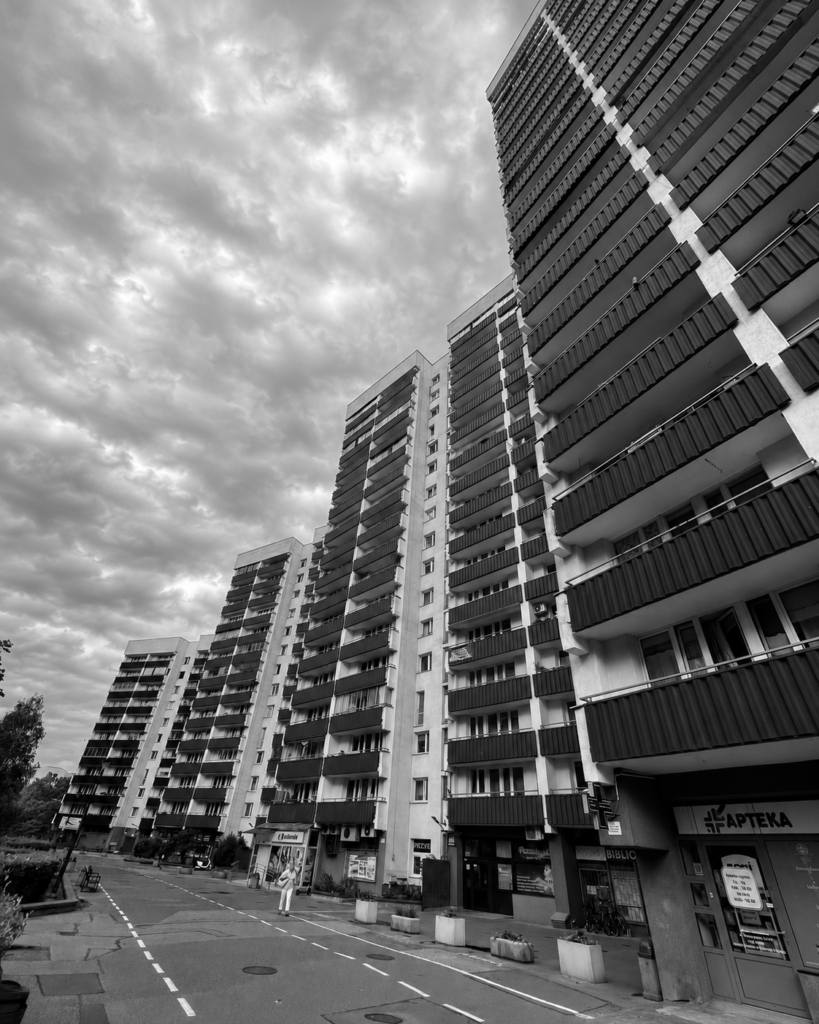
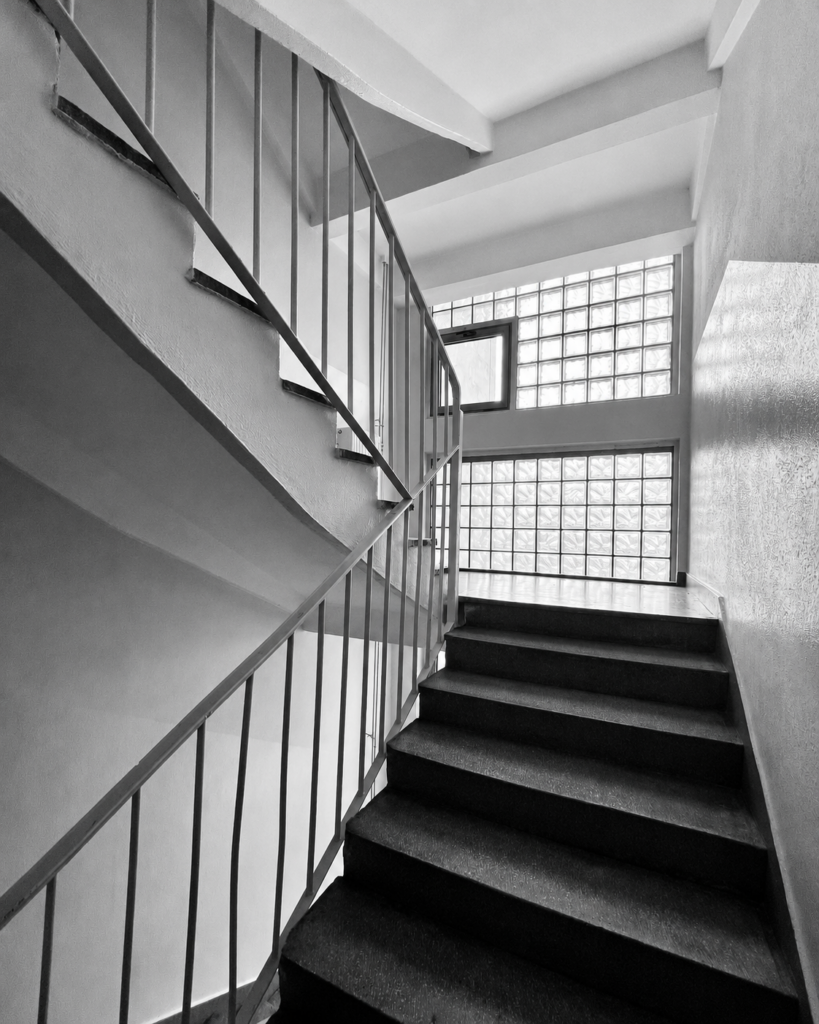
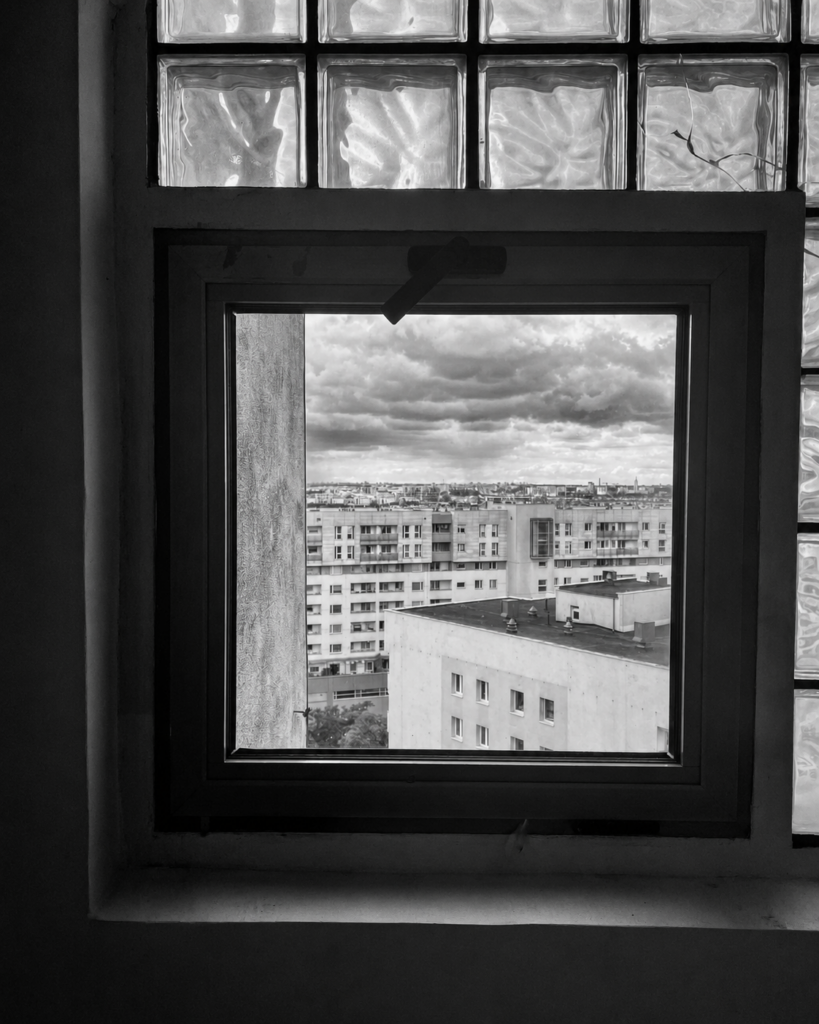
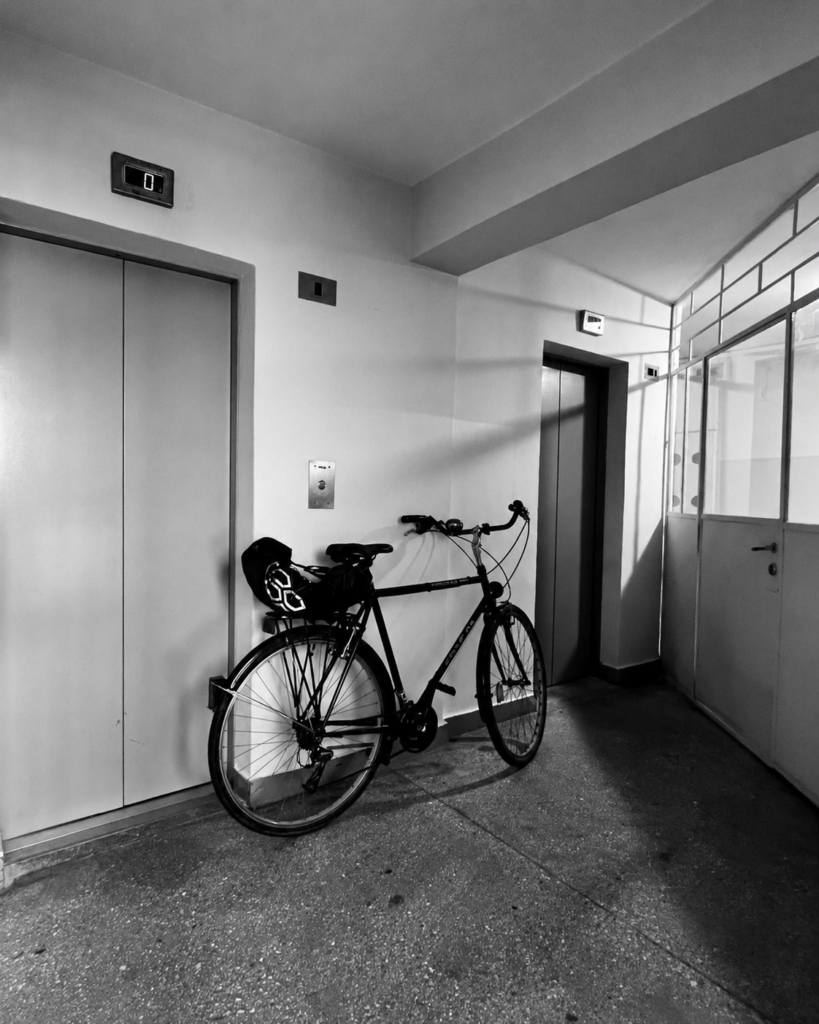
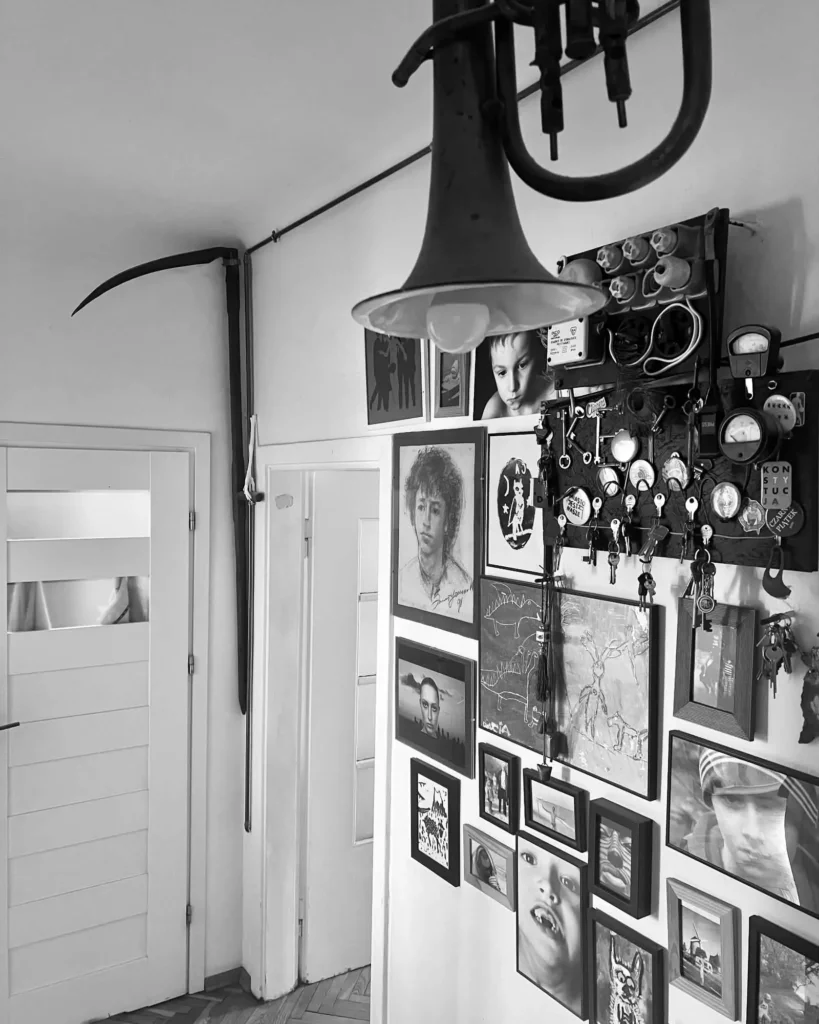
Step into a nineteen-storey apartment block built in 1985 and take the lift to the fifteenth floor. This is the Warsaw of glass-block windows, long corridors, old rubbish chutes and neighbours who have shared the same building for decades. At the top, Magda and Zawisza welcome you into the home they actually live in, with two cats, family photographs, games, books and a wide view across Grochów.
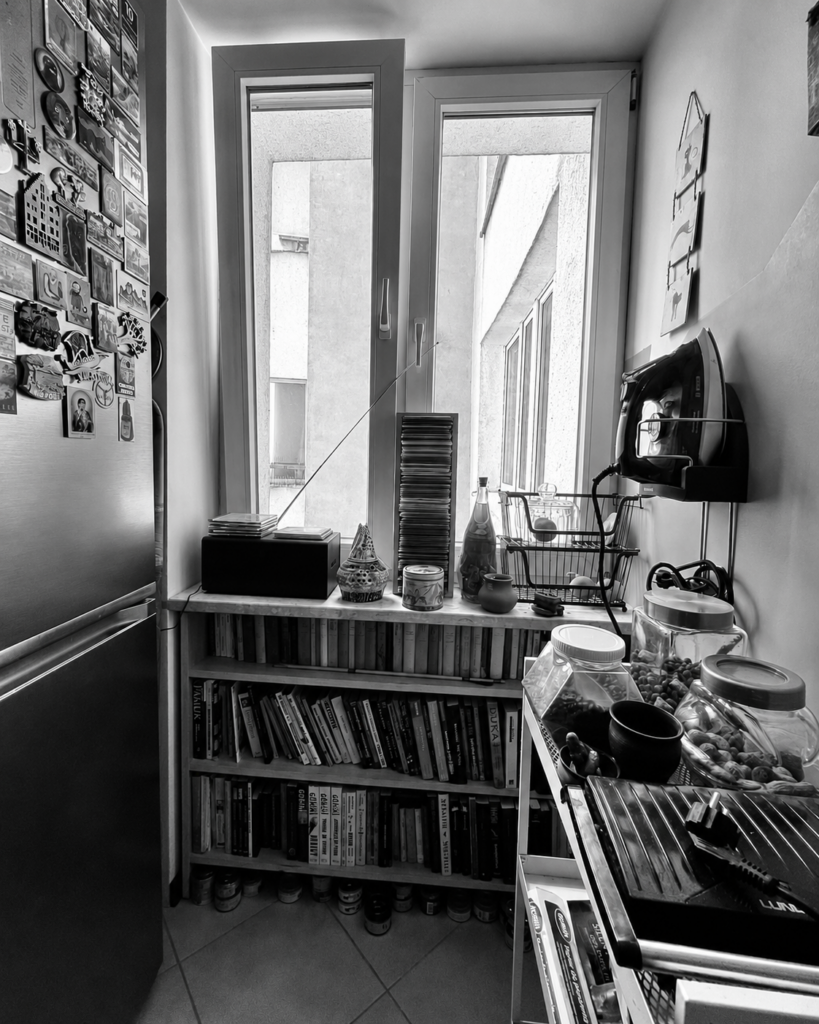
The visit begins in the kitchen
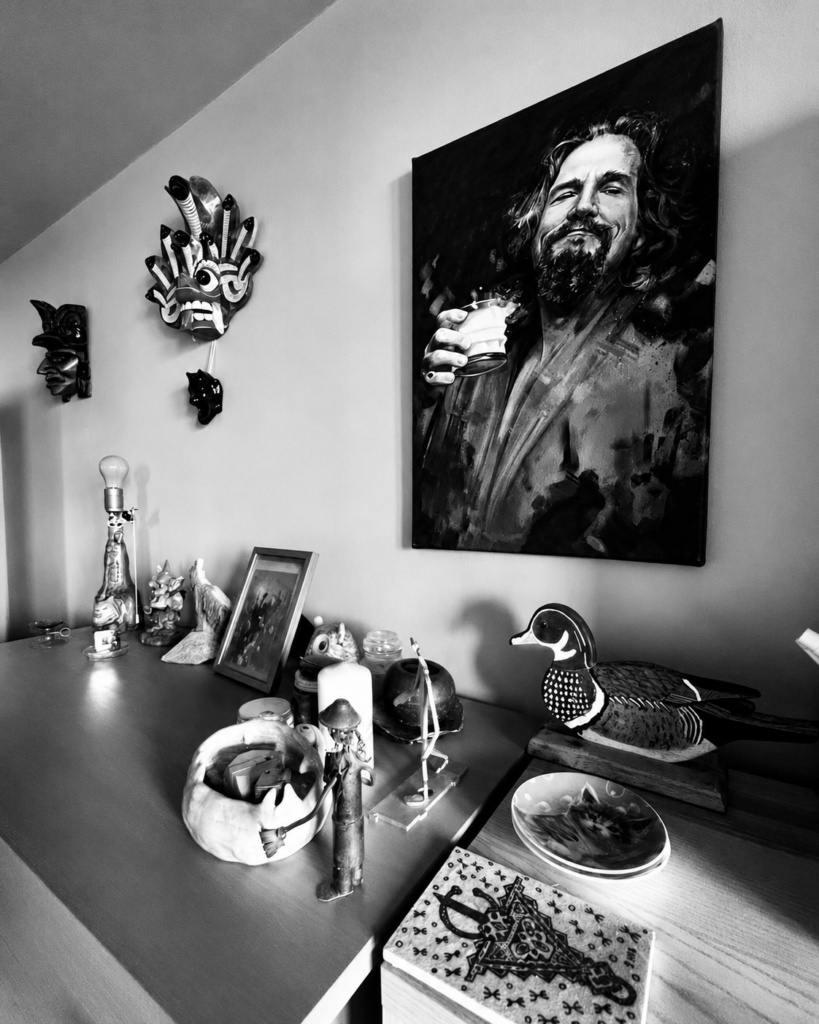
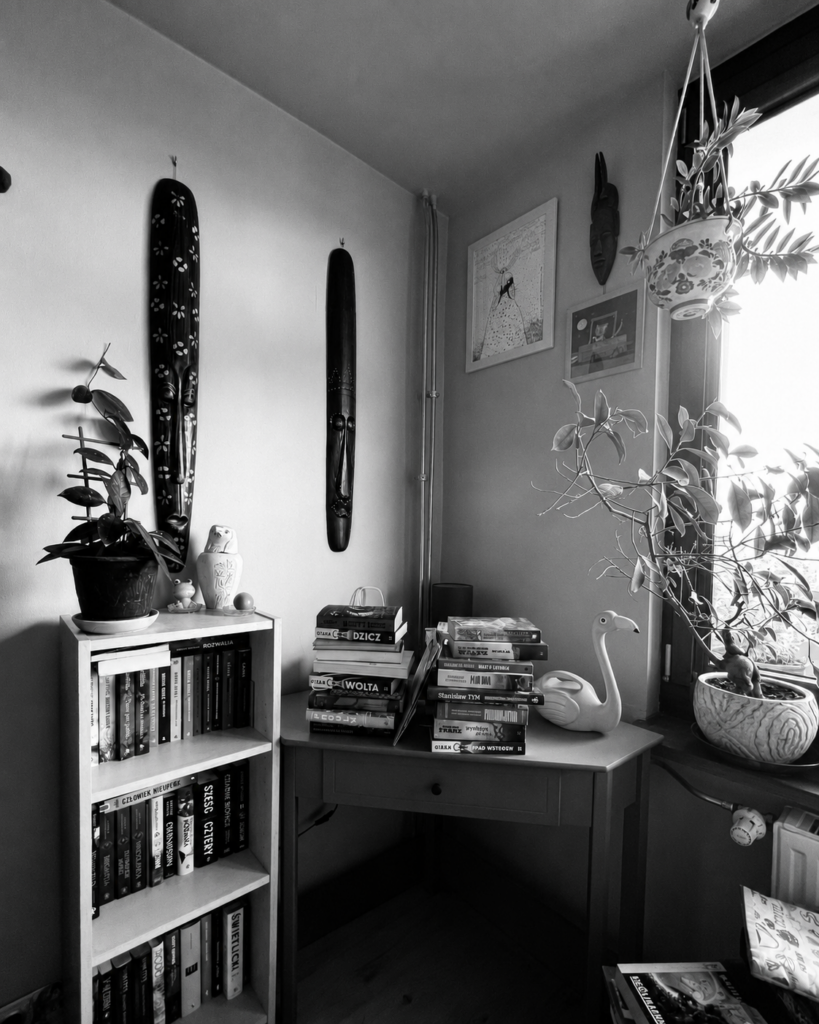
We usually start in the kitchen, because that is where people naturally sit down and begin talking. We will make coffee or tea, bring out pierogi and cake, and show you the apartment at an easy pace. Nothing has been arranged for visitors. The books, photographs, furniture and everyday clutter are simply part of the home.
The conversation might begin with the building or the view from the windows, then move to Warsaw before and after 1989, family life, music, games or whatever happens to interest us that afternoon. Sometimes we talk for hours. Sometimes one of the cats decides where everyone should sit.
This is not a staged visit or a history lesson. You are spending time with people in their own home, and every afternoon is a little different.
Meet Magda and Zawisza
Magda was born in Warsaw and has lived in Grochów all her life. She studied philosophy and now works at the Polish Academy of Sciences. She loves cats, mushrooms, books and theatre. Zawisza grew up in Jelonki. For years he was into Viking history and reenactment, and even lived for a while in a reconstructed Viking settlement in Warsaw. He also loves role-playing games and is often the game master. Between them, they know Warsaw from very different angles.
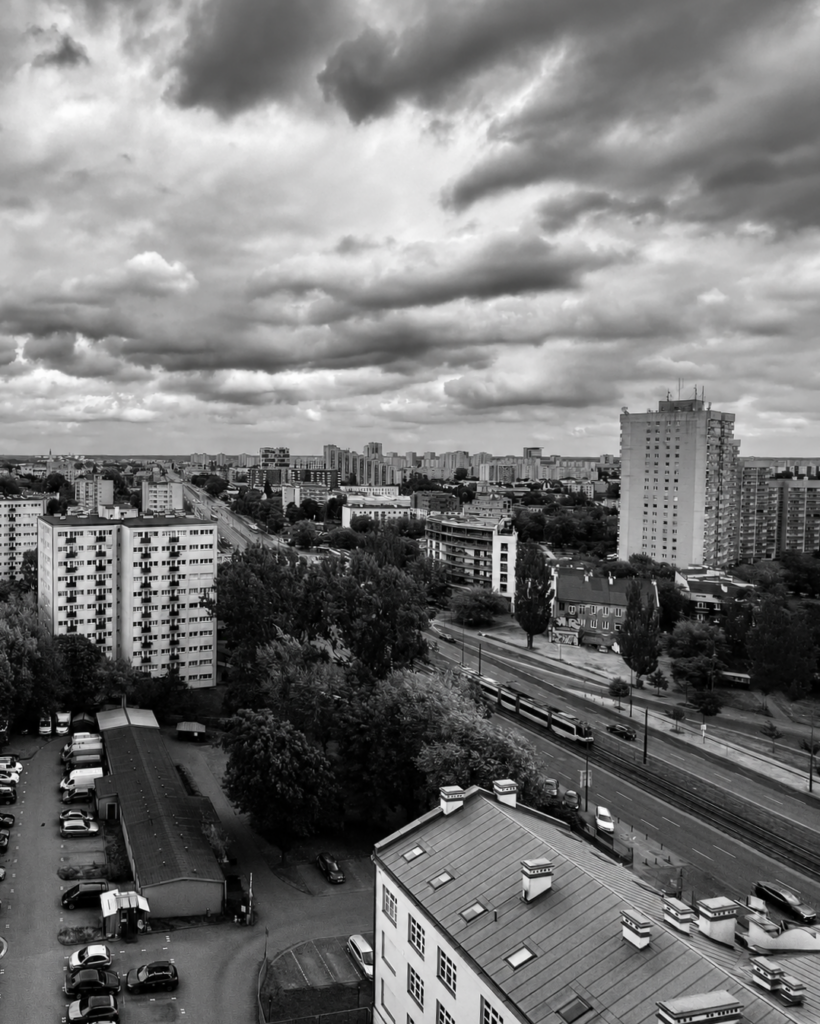
Grochów from above.
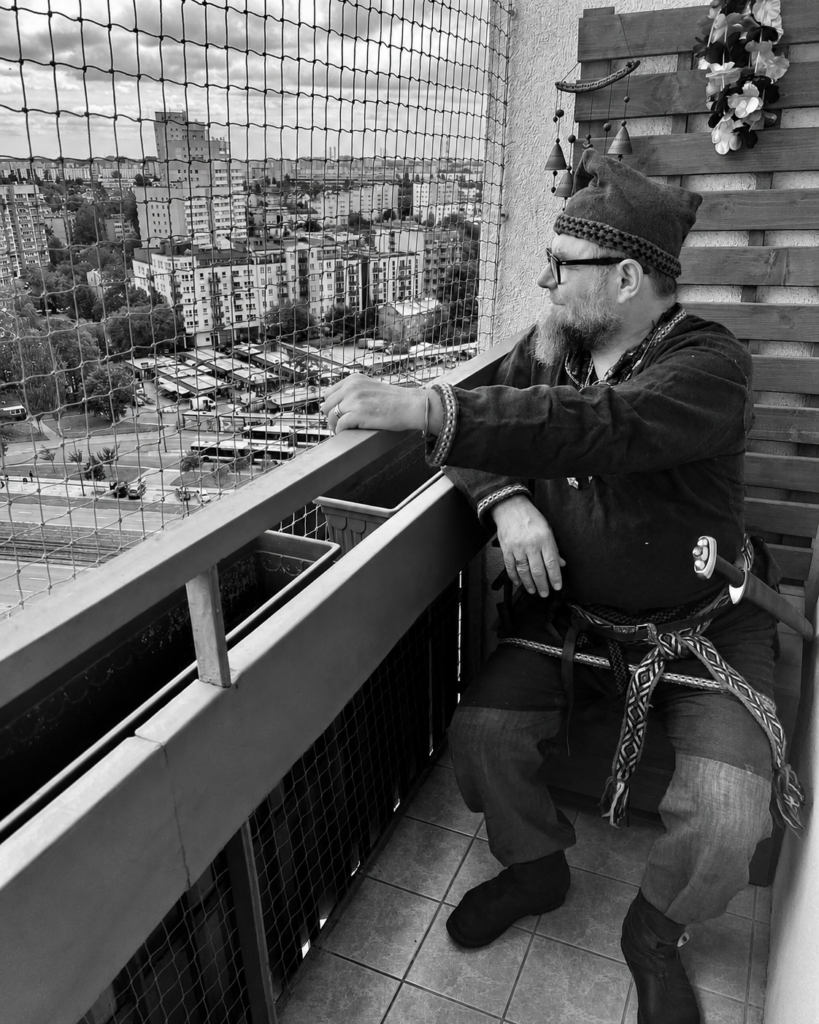
From the fifteenth floor, you can see rooftops, church towers, apartment blocks and the city stretching far beyond Grochów. Down below, trams and buses move along Grochowska Street, while the neighbourhood carries on with its everyday business. The view is impressive, but what makes it special is having someone beside you who can point out the places, changes and stories behind it.
A Viking on the fifteenth floor
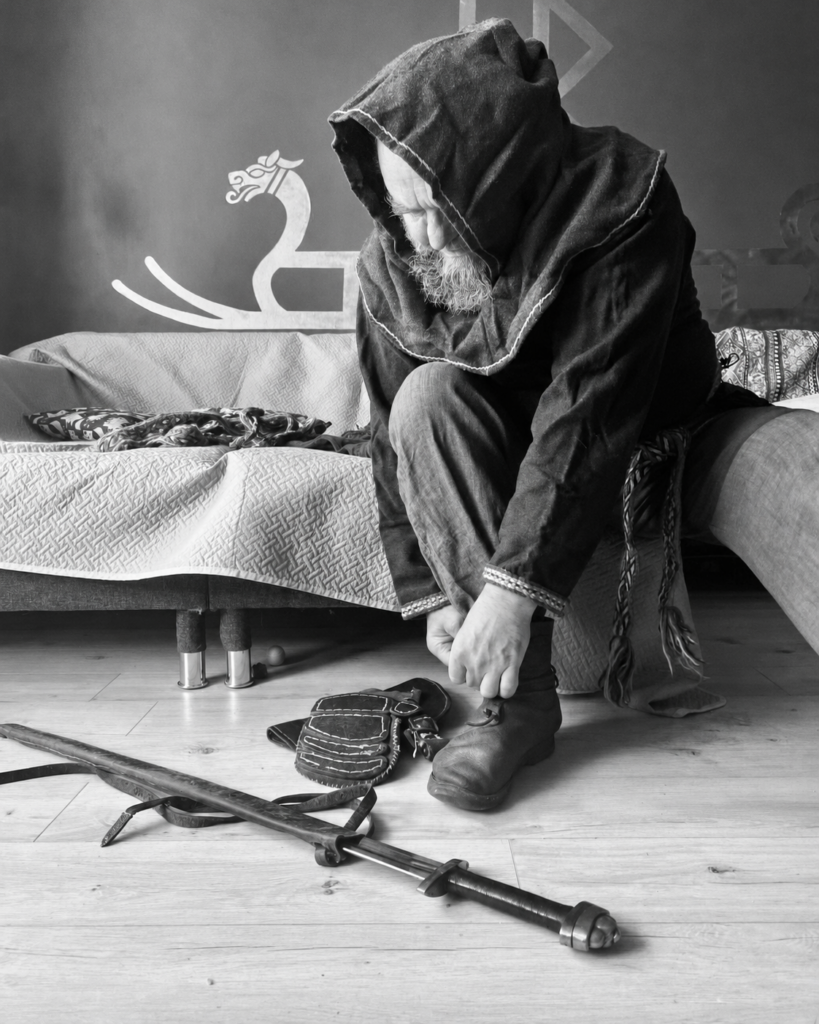
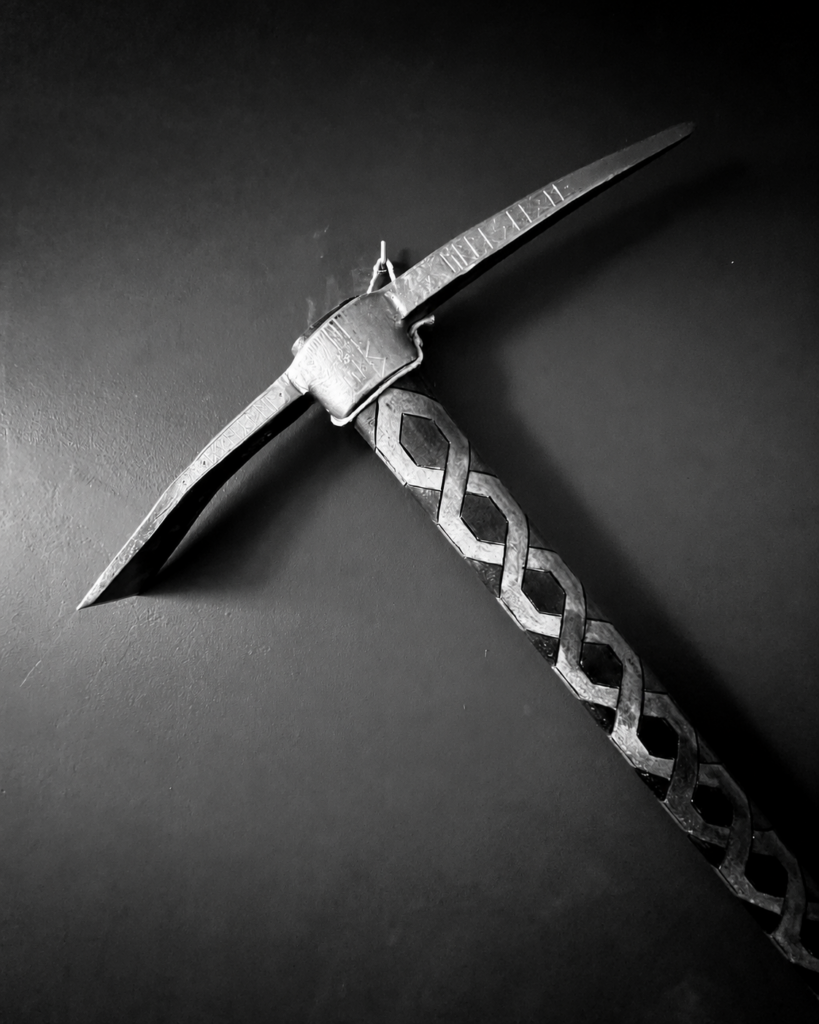
Zawisza might open the door dressed as a Viking. This is not something prepared for visitors. Historical costumes, old weapons, music and games are simply among the things he enjoys. He may show you part of his collection, talk about Viking history or challenge you to an old video game. He may also be wearing an ordinary T-shirt and making coffee. Both are equally likely.
One estate. 776 homes. Around 1,700 lives.
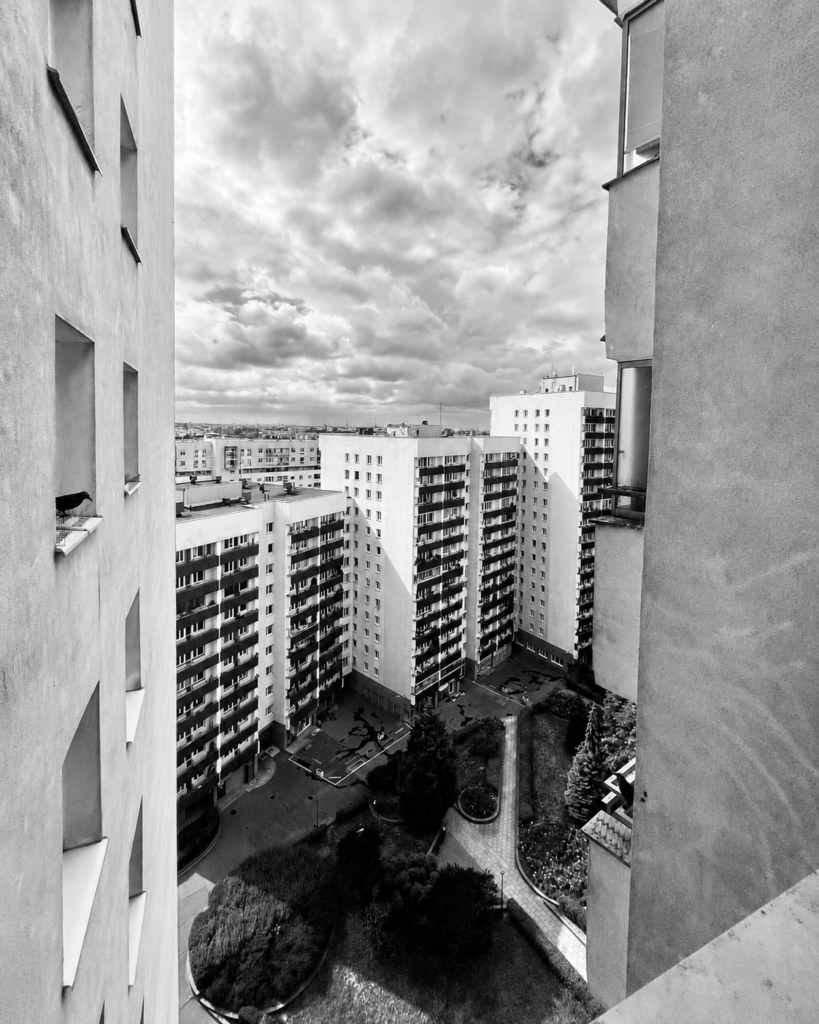
A small city stacked vertically
Seen from the fifteenth floor, the buildings seem to go on forever. This apartment is part of a large housing estate built in the 1980s, where around 1,700 people live in 776 flats.
From above, the streets, playgrounds and courtyards form a quiet pattern that changes with the time of day and the season. It’s a view that reminds you just how many different lives unfold in the same neighbourhood.
KAMIONEK · 1936
Kamionek: pre-war Warsaw, still lived in
On Grochowska Street, right next to the former Perun factory, founded in 1910, and opposite the historic home of Sinfonia Varsovia, stands a four-storey tenement built in 1936. This is where Zofia and Rafał live. They welcome guests into their home, where pre-war Warsaw has never been reconstructed or recreated. It has simply remained part of everyday life.
A home shaped by its building
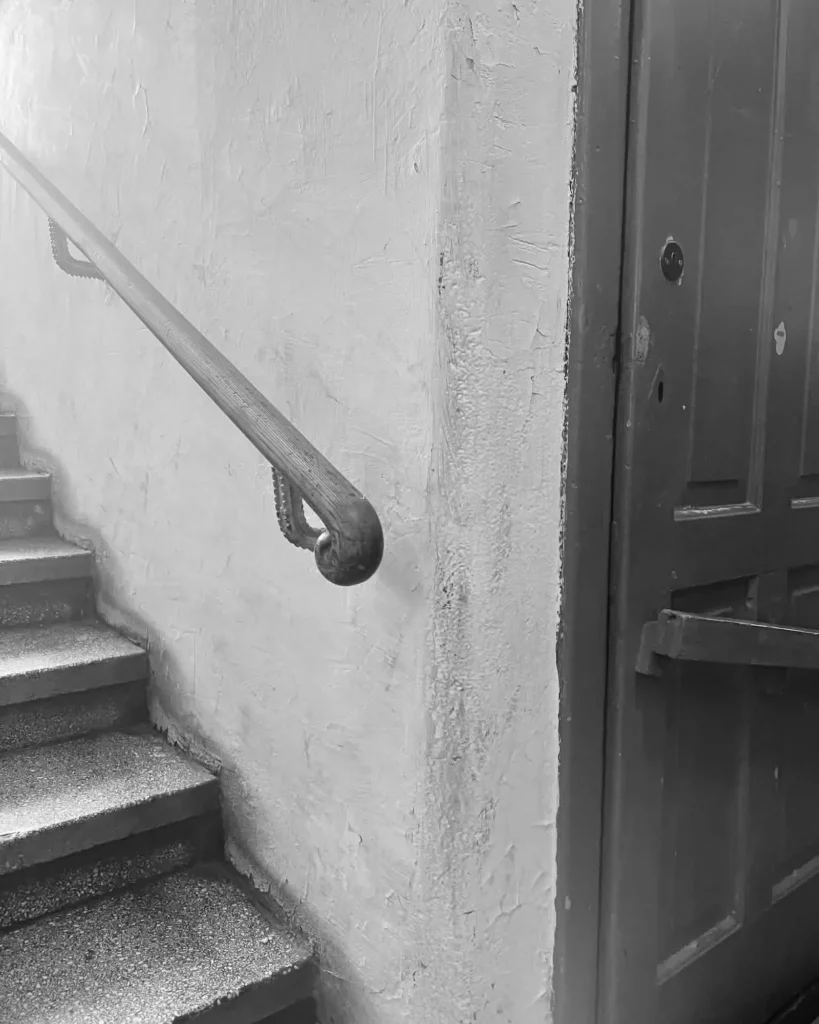
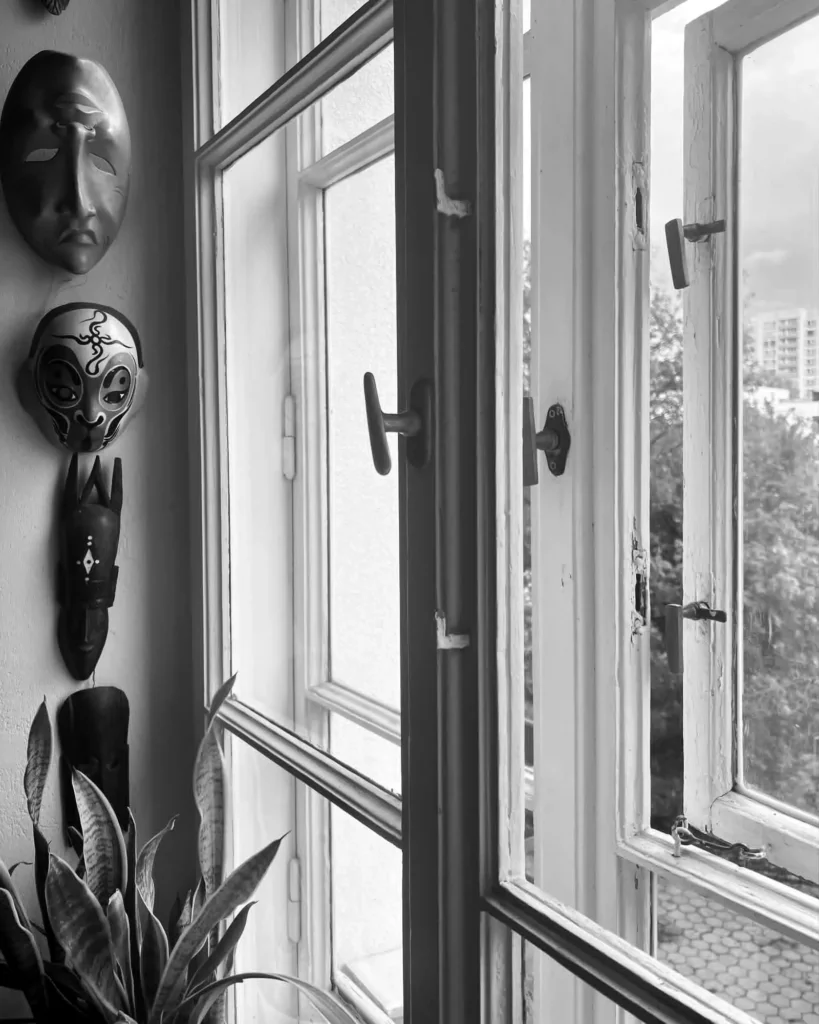
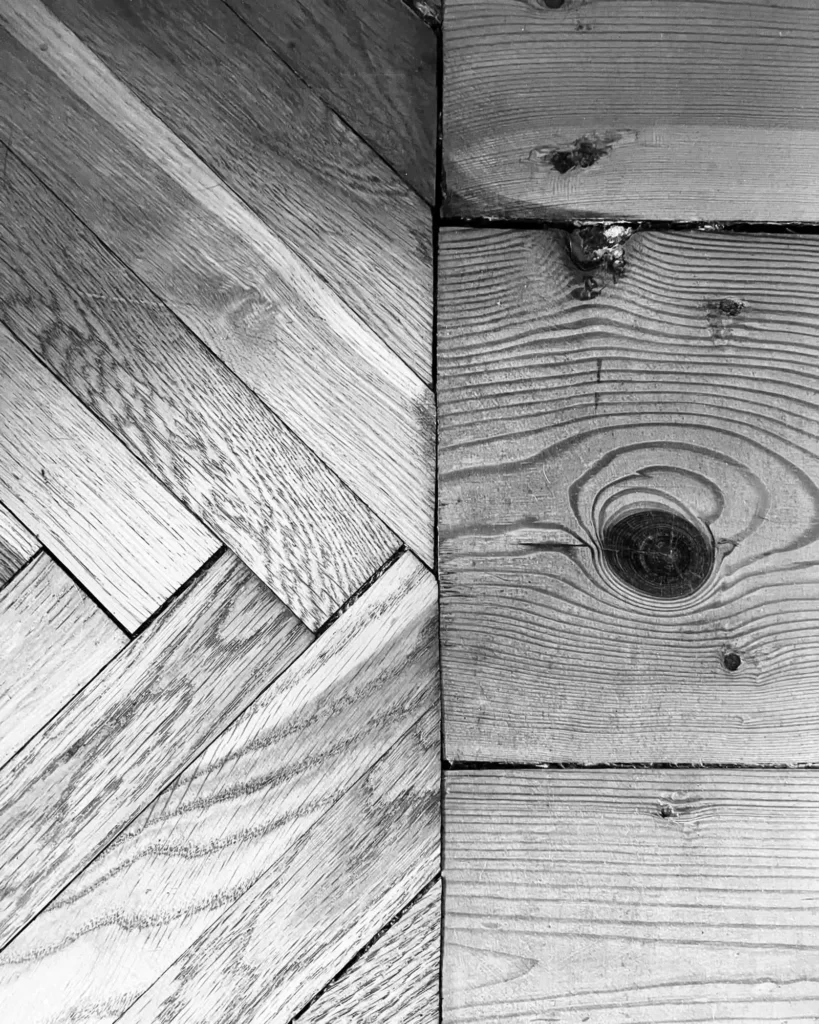
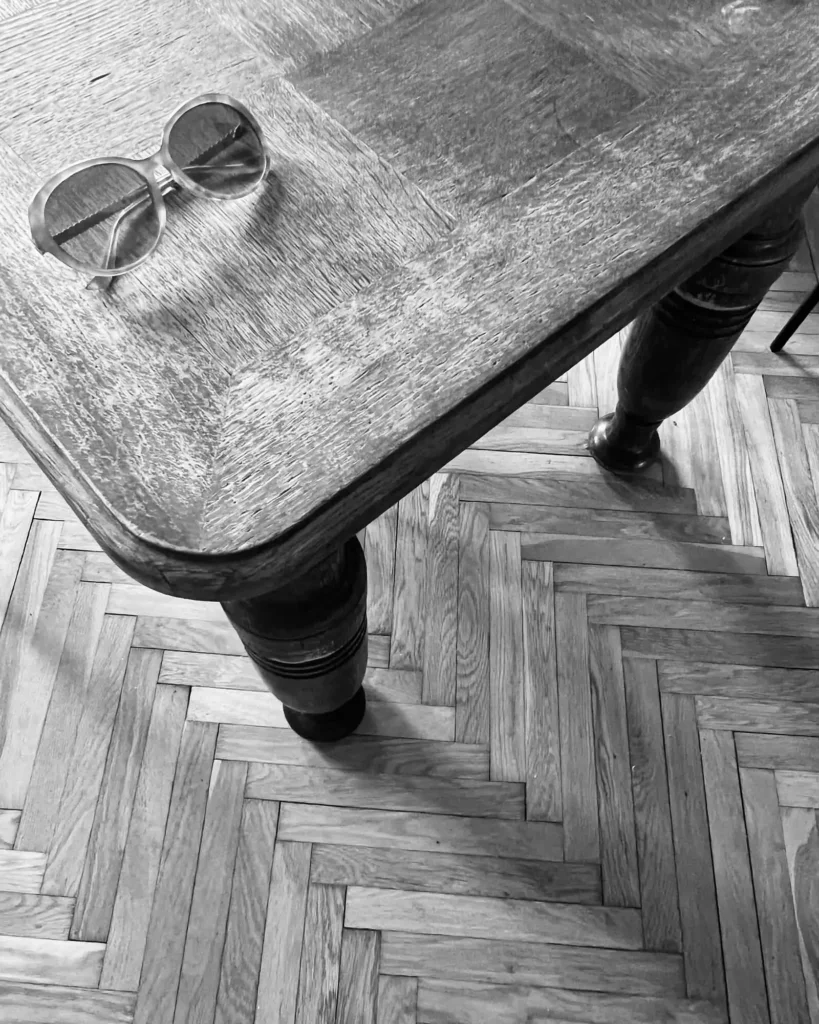
Like many pre-war apartments in Warsaw, this home was designed to make the most of daylight and space. High ceilings, original wooden windows, oak herringbone floors and a tiled stove are still part of everyday life. Nothing has been restored for visitors. The apartment looks the way it does because people have simply kept living here.
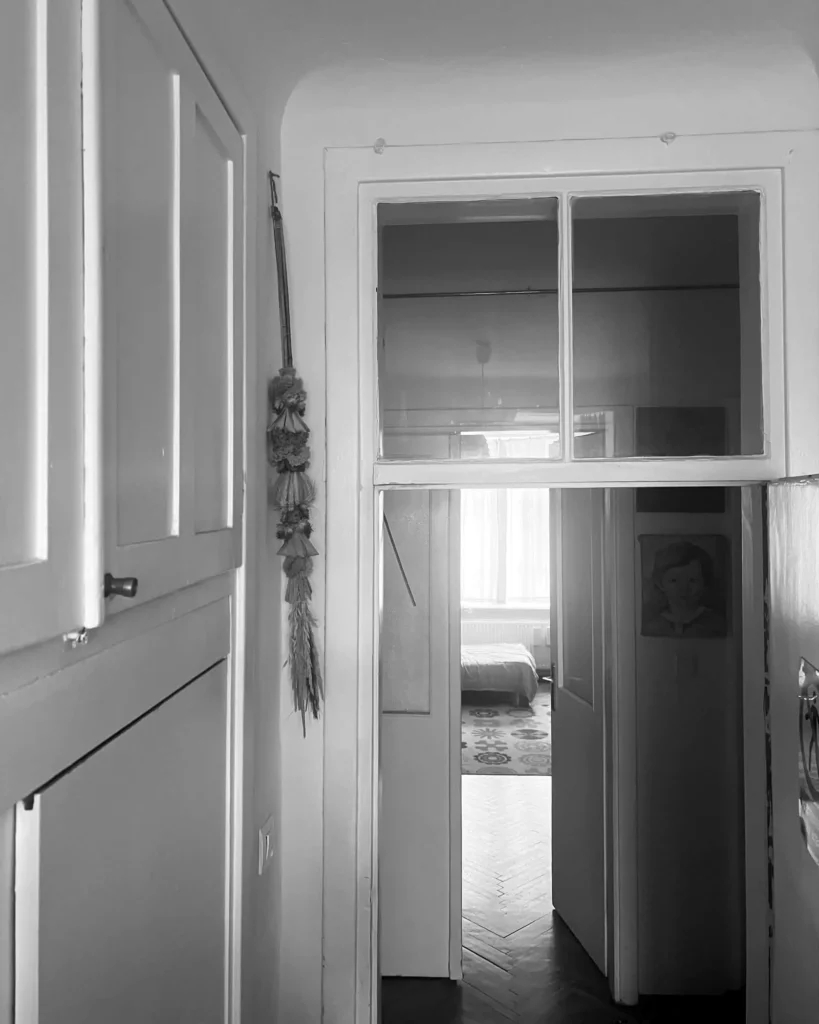
Deep wall recesses, once designed for built-in cupboards, continue to serve the home almost ninety years later. Downstairs, the old stairwell leads to a brick cellar with coal chutes, traces of the time when fuel was delivered straight into the building’s basement.
Meet Zosia and Rafał
Zofia was born in Warsaw and has lived in Kamionek all her life. She loves reading books, playing bridge and is involved in local life as a member of the Kamionek neighbourhood council. Rafał grew up in Jelonki and moved to Kamionek 25 years ago. He loves games, from his old SNES to the latest ones, and getting around Warsaw on two wheels. He knows nearby Skaryszewski Park inside out and still enjoys the smell of chocolate drifting over from the Wedel factory. For both of them, Kamionek is simply home.
The house remembers. Life never stopped.
An old Warsaw courtyard, before the internet
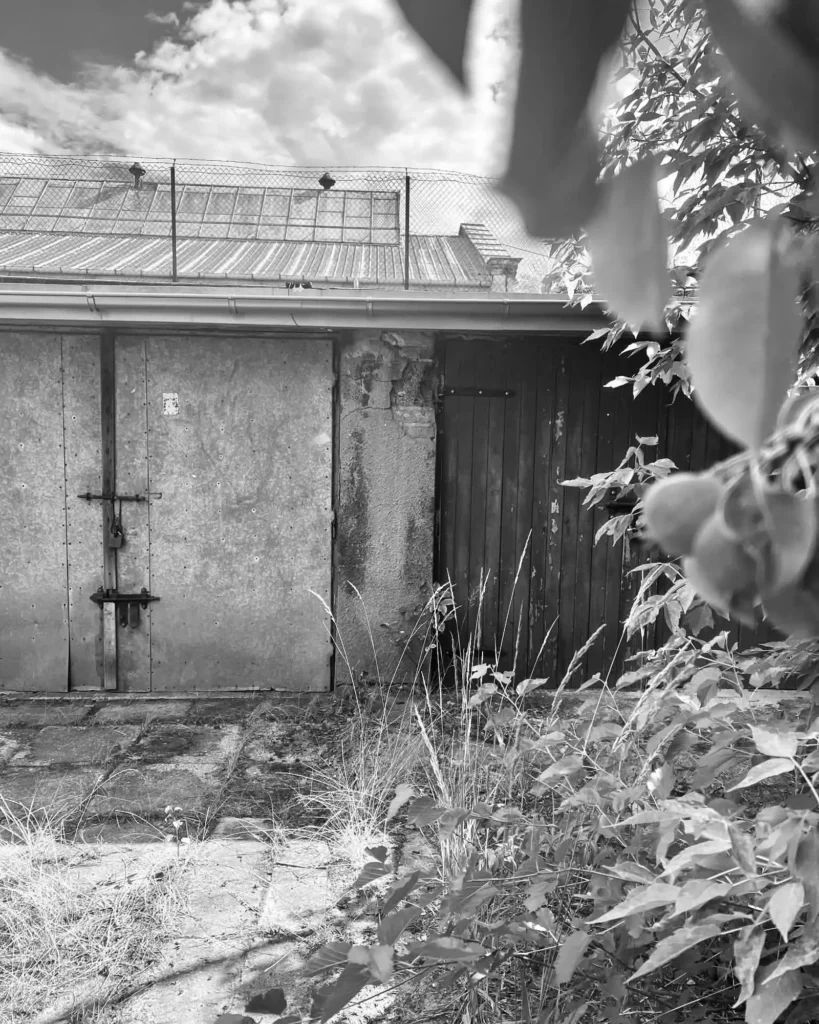
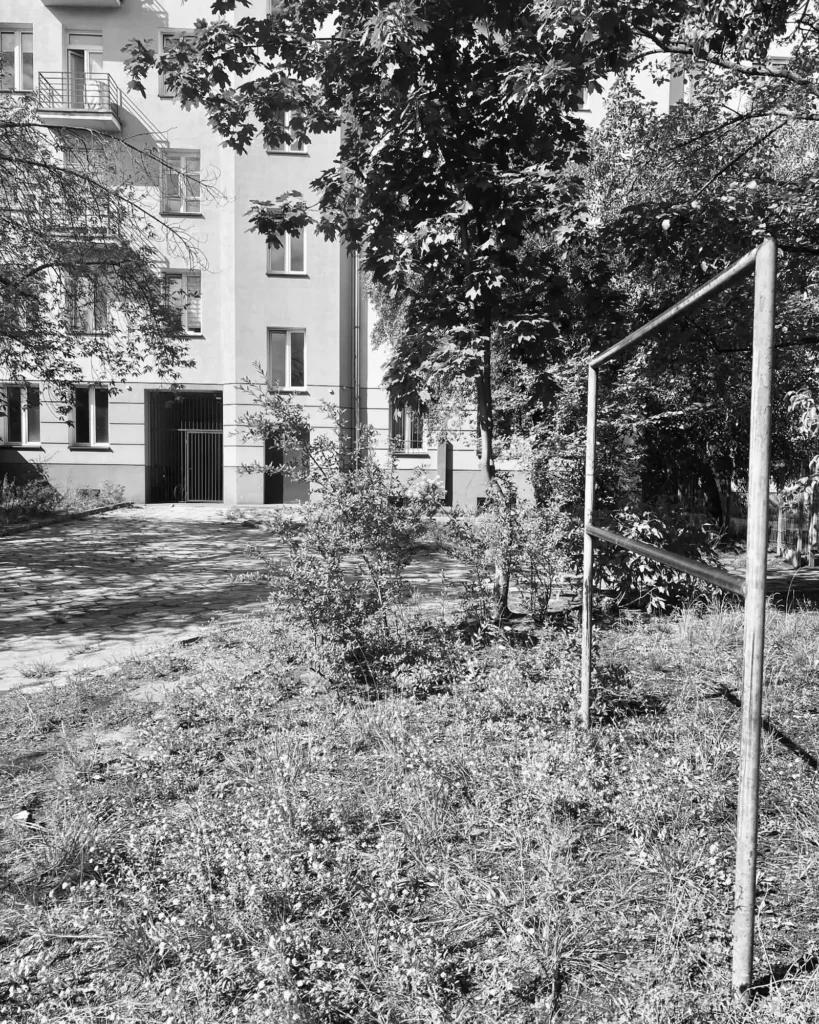
The courtyard still has its garages, patches of unruly greenery and a metal carpet-beating frame. In Polish it’s called a trzepak. It was built for beating dust out of rugs, but for generations of Polish children it became something completely different. They climbed on it, played around it, invented games, made friends and spent long summer afternoons there.
Long before mobile phones, children simply came downstairs and found each other. Parents called them home from open windows, and every courtyard had its own trzepak, its own unwritten rules and its own little world. This one still does.
The factory beyond the balcony
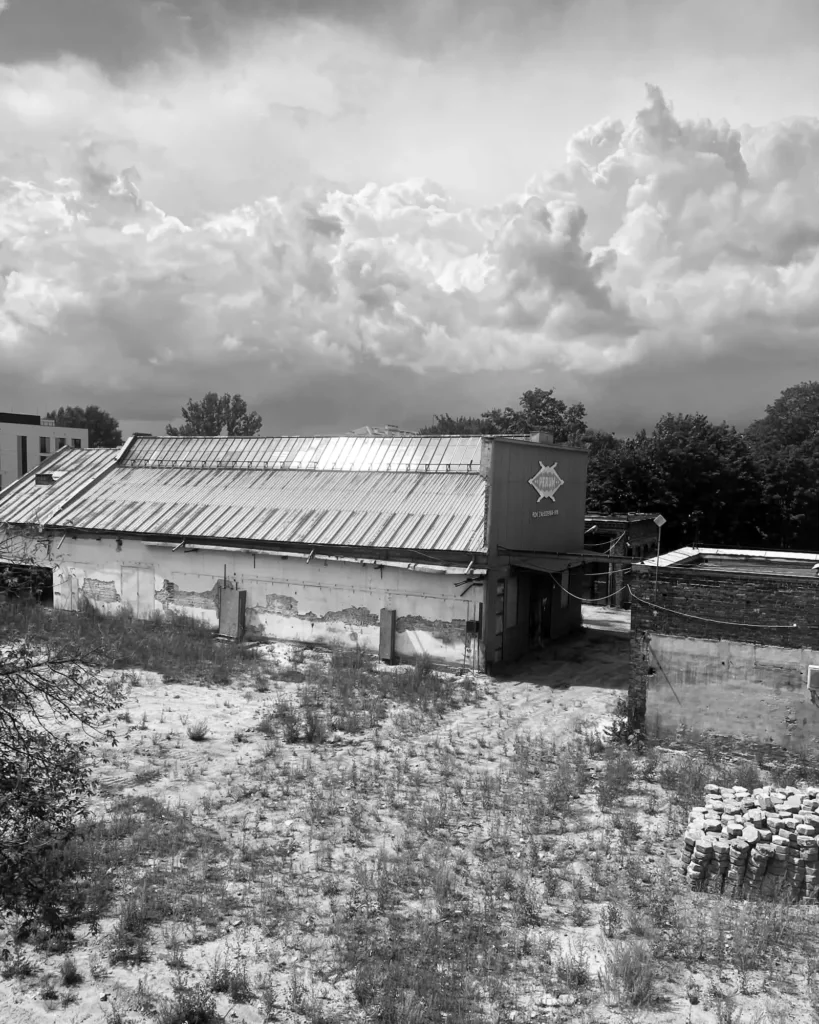
Just beyond the balcony stands the former Perun factory, founded in 1910. For decades it produced industrial gases and welding equipment that were sent all over Poland. Thousands of people from Kamionek walked through its gates every morning, and many of them returned home to this very neighbourhood after work. Today the machines are silent, but the brick buildings are still there, quietly reminding everyone how this part of Warsaw grew.
Come for the building. Stay for the life inside it.
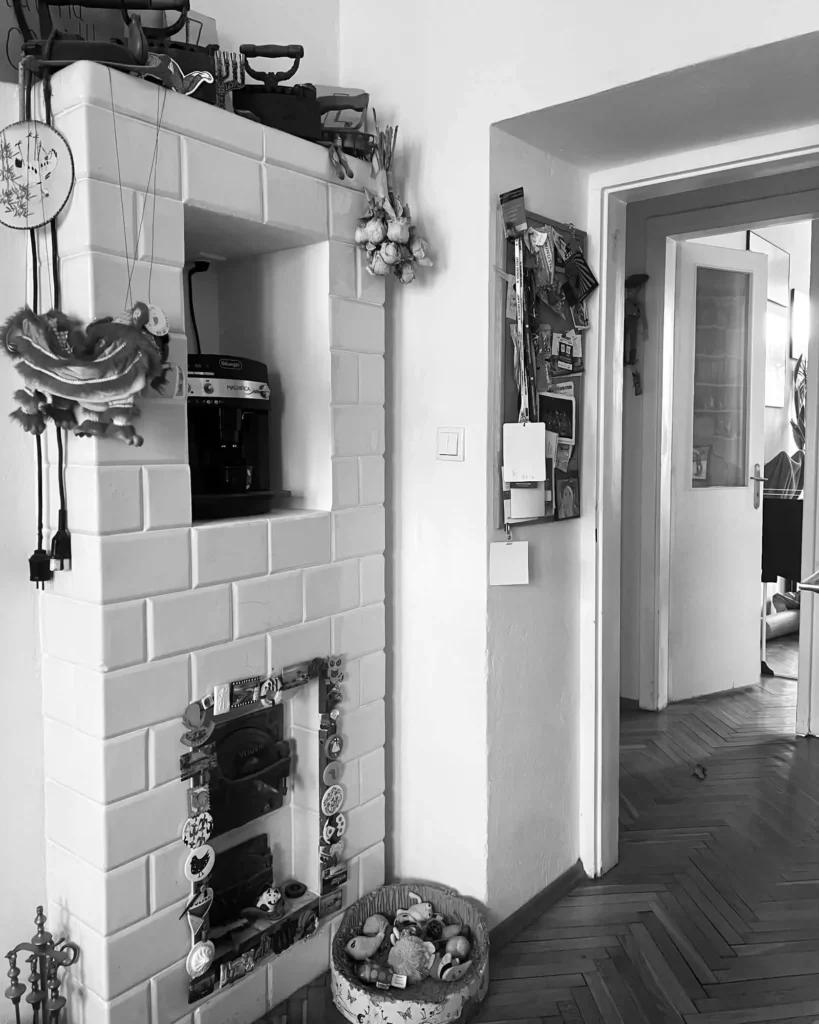
Nothing here is arranged for show
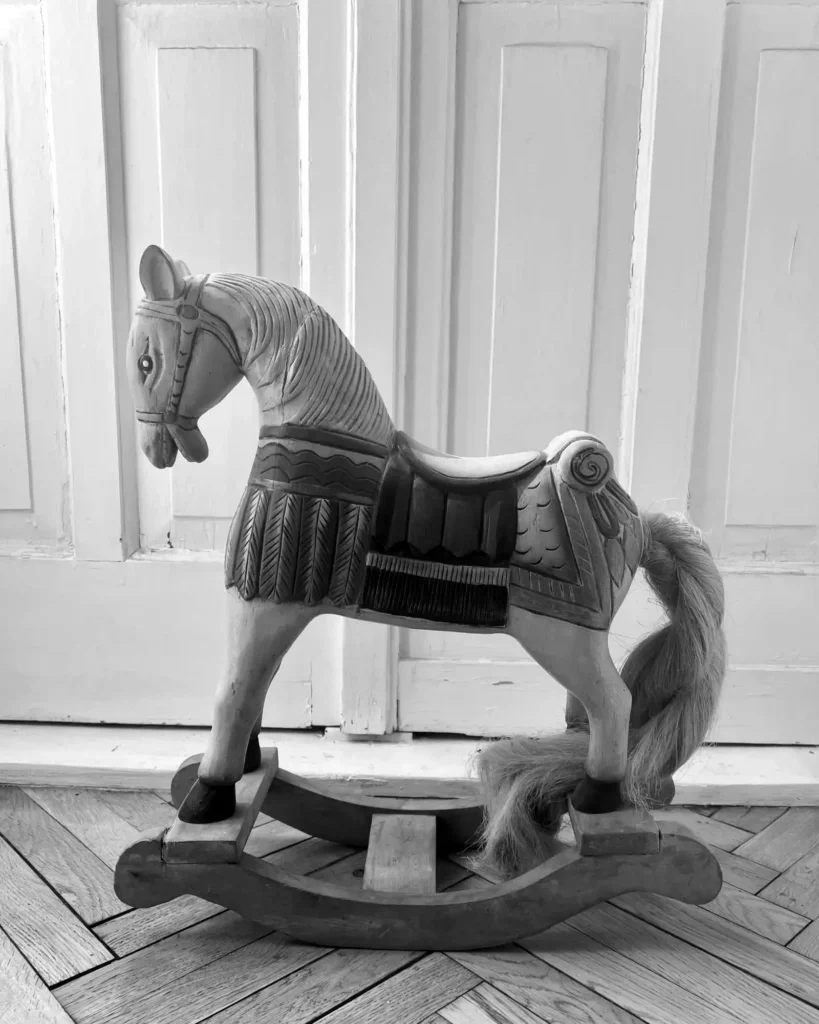
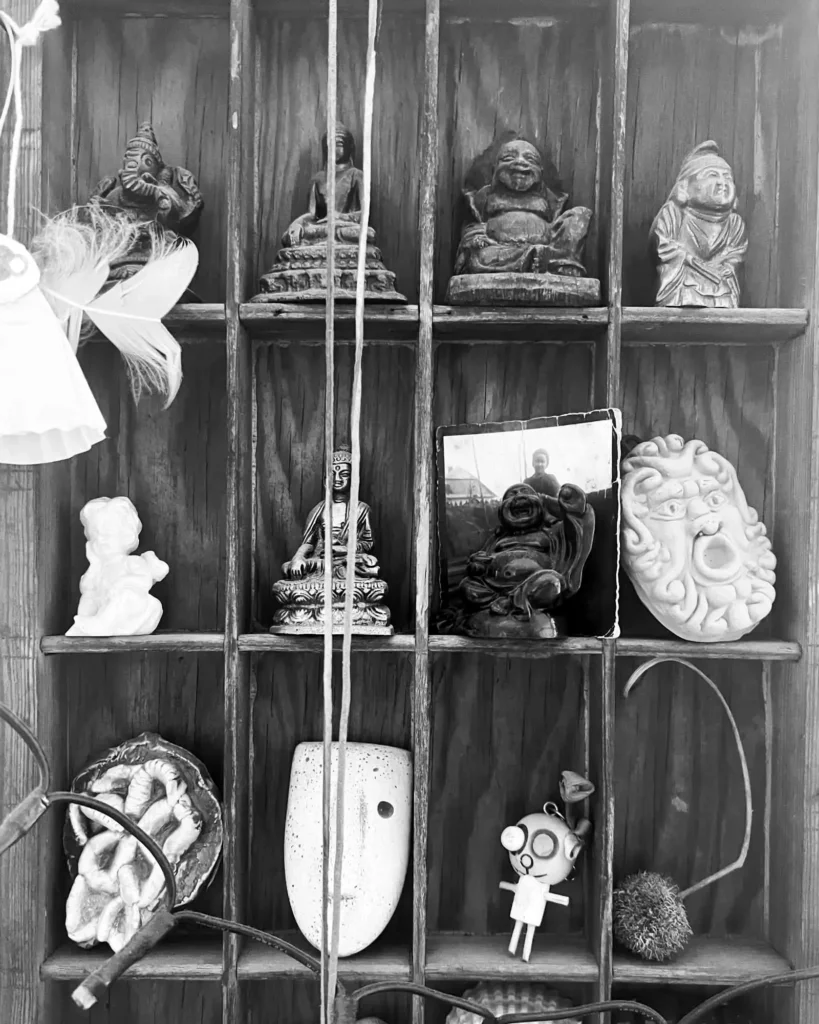
Nothing in this apartment was placed here for visitors. The books have been read, the photographs belong to the family, the furniture has simply stayed where it has always been. Things wear out, get repaired, move from one room to another and become part of everyday life.
That’s why the apartment feels lived in rather than preserved. You’re not walking through a carefully restored interior. You’re spending an afternoon in someone’s home.
Two doors. Two Warsaw stories. Choose yours.
Spend an afternoon in a pre-war apartment in Kamionek, visit a fifteenth-floor home in Grochów, or enjoy both in one unforgettable afternoon. Tell us who’s coming, when you’d like to visit and anything else you’d like us to know. We’ll get back to you personally, answer your questions and plan everything together.